
Understanding Teeth Grinding
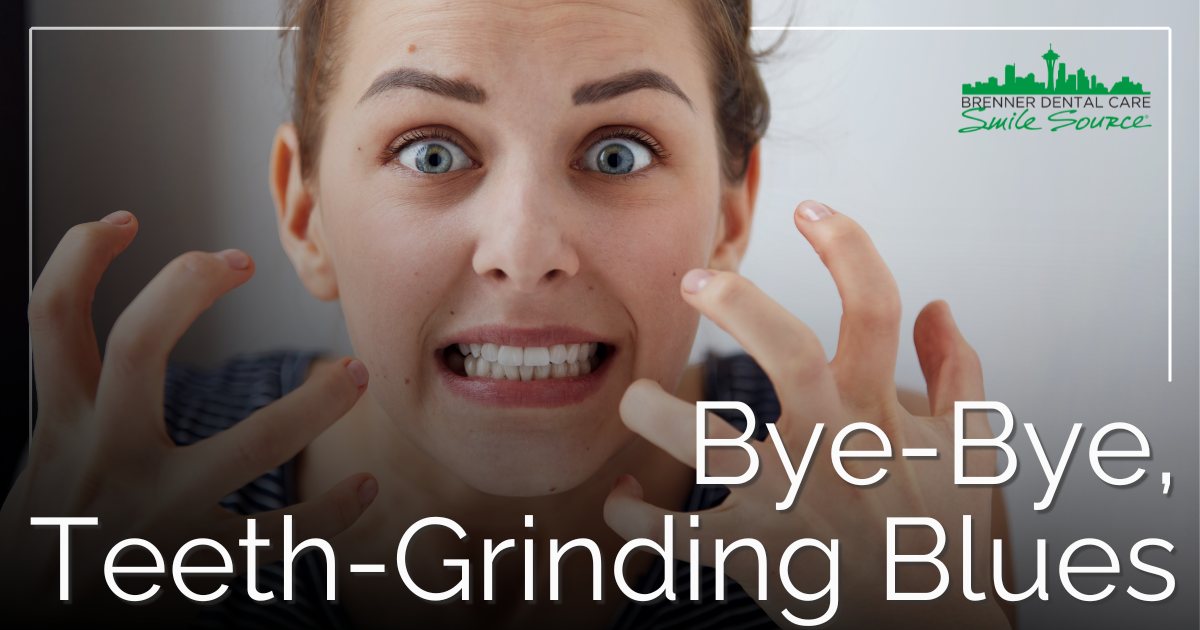
Ever catch yourself clenching or grinding your teeth? That habit has a medical name: bruxism. It’s an unconscious thing, and while lots of people do it in their sleep, you might also find yourself doing it during the day, especially when you’re stressed, anxious, or really concentrating. It might seem harmless, but bruxism can have serious consequences if left untreated, including dental damage, jaw pain, and headaches. Read on to learn more.
Causes & Symptoms of Teeth Grinding
To begin to understand teeth grinding, we first need to look at the factors that may cause it. Emotional stress and anxiety are primary triggers, causing jaw clenching during the day or grinding at night. Sleep disorders, such as obstructive sleep apnea, can increase nighttime grinding. Dental issues, including misaligned teeth or bite problems, also play a role. Neurological conditions and acid reflux are additional possible contributors.
Because teeth grinding often happens during sleep, many people remain unaware until symptoms develop or a partner overhears the noise. Common signs include:
- morning headaches,
- jaw, neck, or ear pain,
- sensitivity,
- worn-down teeth that may chip or crack,
Amongst others. Persistent symptoms warrant evaluation by a dental or healthcare provider.
Relief Options & When to Seek Help
Treatment for teeth grinding focuses primarily on protecting teeth, reducing muscle strain, and managing underlying causes. Key strategies include:
- Custom nightguards or bite splints: Provide a protective barrier for teeth and help relax jaw muscles during sleep.
- Stress management techniques: Counseling, relaxation exercises, or cognitive behavioral therapy can reduce anxiety-related clenching.
- Dental corrections: Orthodontics or other dental adjustments may be necessary for bite issues contributing to grinding.
- Muscle relaxants: Sometimes prescribed temporarily to ease jaw tension.
- Lifestyle modifications: Reduce caffeine and alcohol, avoid chewing on non-food items, and improve sleep hygiene to decrease grinding episodes.
When to seek help:
- Persistent jaw pain
- Worsening tooth damage
- Disrupted sleep
Early intervention ensures the best results and prevents further complications.
Additional Measures for Managing Teeth Grinding
Besides professional interventions, incorporating daily habits can further alleviate bruxism. Avoid chewing gum or hard candies, which engage jaw muscles excessively. Practice regular relaxation techniques like yoga, meditation, or deep breathing exercises to reduce stress levels. Maintaining a consistent sleep schedule and creating a calming bedtime routine can enhance sleep quality and minimize nighttime grinding.
Staying hydrated and avoiding excessive alcohol or stimulant consumption before bed supports muscle relaxation. Monitoring and recording episodes of grinding may help identify triggers to discuss with your dental provider.
Teeth grinding is a common condition that can damage oral health and diminish quality of life if left unchecked. Recognizing causes and symptoms early, combined with comprehensive treatment and lifestyle changes, can protect your smile and relieve discomfort. Contact our office, located in Seattle, WA, for a personalized evaluation and an effective management plan tailored to your needs.